
Principles and Strategies for School Implementation and Improvement
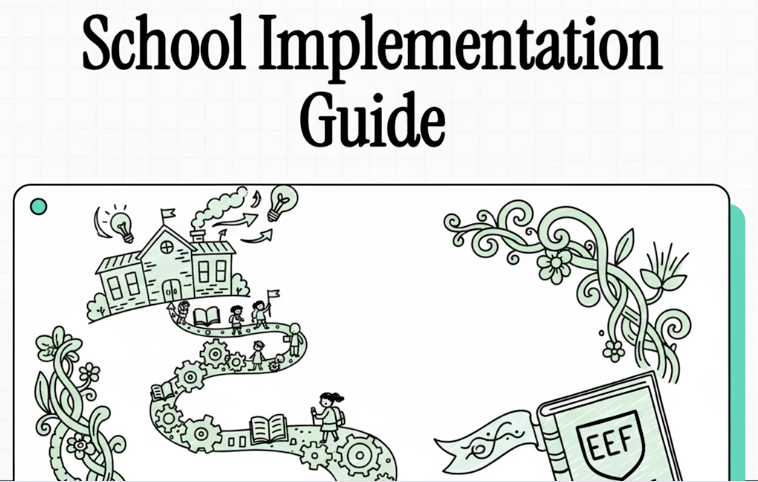
A number of sources establish that successful school improvement depends on viewing implementation as a continuous learning process rather than a single event. To achieve this, leaders should follow a structured four-phase cycle consisting of exploring needs, preparing resources, delivering changes, and sustaining practices over time. Effective execution requires evidence-informed decision-making and a focus on active ingredients that ensure new methods are applied as intended. Central to this framework is the collaborative social element, where staff are engaged, united, and encouraged through high-quality, ongoing professional development. By focusing on fewer priorities and using reliable data for monitoring, schools can create a supportive climate for lasting change. Overall, the guidance provides a practical roadmap for turning educational research into tangible improvements for student outcomes.